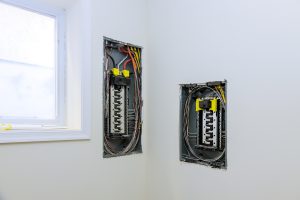
Circuit breakers are critical safety devices designed to protect your Nashville home’s electrical system from dangerous conditions. When you experience a tripped circuit breaker, it’s your electrical panel doing its job by cutting power to prevent electrical fires, electric shock, or costly damage to your electrical components. Understanding what causes circuit breakers to trip helps you identify potential hazards and know when to call a professional electrician for help.
Understanding What Causes Circuit Breakers to Trip
Your circuit breaker panel acts as the control center for your home’s electrical system, monitoring the flow of electricity throughout different circuits. When something goes wrong, the breaker trips to interrupt the electrical current and protect your home. While an occasional tripped breaker might be normal, frequent breaker trips indicate an underlying problem that requires a breaker panel replacement or attention from a qualified electrician.
1. Circuit Overload: The Most Common Cause
An overloaded circuit happens when you draw more electrical power than a particular circuit can safely handle. This is one of the most common reasons for frequent tripping, especially in older homes with outdated electrical panels that weren’t designed for modern electrical demands.
Common overload scenarios include:
- Running multiple high-power appliances on the same circuit
- Plugging too many electrical devices into outlets in the living room or kitchen
- Using air conditioners, space heaters, or other heavy appliances simultaneously
- Connecting power strips loaded with electronics to a single outlet
The circuit breaker keeps tripping because it’s protecting your wiring from overheating. When too much electricity flows through the wires, they generate excessive heat that can damage insulation and create fire hazards. If your tripping breaker always occurs when using specific appliances together, you likely need dedicated circuits installed by experienced electricians.
Learn when to use a surge protector vs a power strip here: Surge Protector vs Power Strip: What’s the Difference & Which Should You Use?
2. Short Circuit: A Serious Electrical Hazard
A short circuit occurs when a hot wire comes into contact with a neutral wire, creating a sudden surge of electricity that generates extreme heat. This is a more serious issue than a simple overload and requires immediate attention from a licensed electrician.
Warning signs of a short circuit include a burning smell, scorch marks near outlets, or a circuit breaker that trips immediately after reset. Short circuits can result from faulty wiring, damaged electrical cords, or problems within electrical devices themselves. This common issue poses significant safety hazards and should never be ignored.
3. Ground Fault: When Electricity Takes the Wrong Path
Ground faults happen when the hot wire touches a ground wire or the metal box housing your electrical outlet. Similar to short circuits, ground faults create a direct path for electrical flow that bypasses normal resistance, causing the breaker to trip.
Ground fault circuit interrupters (GFCIs) are specialized outlets designed to detect these issues. GFCI outlets are typically required in areas with water exposure like bathrooms, kitchens, and outdoor spaces. If your GFCI outlets keep tripping, it indicates either a ground fault in the circuit or moisture affecting the electrical components.
4. Arc Faults: Hidden Electrical Dangers
Arc faults occur when electrical current jumps across gaps in damaged wiring, creating dangerous sparks. Arc fault circuit interrupters (AFCIs) detect these fault surges and trip to prevent electrical fires. Modern homes are required to have AFCI protection in most living areas, but older systems may lack this critical safety feature.
Arc faults commonly result from:
- Loose connections in outlets or switches
- Damaged wire insulation from pests or age
- Improperly installed electrical circuits
- Deteriorated electrical outlets
A sudden breaker trip accompanied by a popping sound or burning smell often indicates arc faults. These electrical issues require professional inspection to locate and repair the damaged wiring.
5. Faulty Appliances or Electrical Devices
Sometimes the problem isn’t your home’s circuit breaker or wiring but rather faulty appliances connected to the system. A malfunctioning device can draw excessive electrical current, create short circuits internally, or have damaged cords that cause ground faults.
To identify if a specific appliance is causing frequent trips, unplug all devices from the affected area and reset the breaker. Then plug in and turn on appliances one at a time. If the tripped circuit breaker occurs when connecting a particular device, that appliance needs repair or replacement. Never continue using faulty appliances, as they create serious electrical hazards.
6. Old or Failing Circuit Breakers
Circuit breakers don’t last forever. Over the years of experience protecting your home, breakers can wear out and become overly sensitive or fail to trip when they should. A bad circuit breaker might trip frequently without any apparent electrical load issues, or conversely, fail to trip during dangerous conditions.
Older homes with outdated electrical panels face additional challenges. Fuse panels, obsolete breaker types, and insufficient amperage for modern electrical demands all contribute to frequent power loss. If you notice your home’s circuit breaker consistently trips despite troubleshooting other common causes, the breaker itself may need replacement. This is a good idea to address before a failing breaker creates more serious electrical problems.
7. Inadequate Electrical System for Modern Demands
Many older homes simply weren’t designed for today’s electrical power needs. When your electrical system lacks sufficient capacity, normal usage can exceed what your circuits can safely handle. This results in tripping breakers that are actually working correctly, but are undersized for your household’s requirements.
Red flag signs your system needs upgrading include breakers that trip when running basic combinations of appliances, flickering lights when devices turn on, or the need to carefully manage which rooms use electricity simultaneously. A comprehensive guide to your electrical needs from professional electricians can determine if panel upgrades or additional circuits would resolve these electrical issues.
Learn what size panel you need here: What Size Electrical Panel Do I Need for My Home?
When to Call a Professional Electrician
While resetting a tripped breaker is simple, frequent tripping indicates electrical problems that require professional evaluation. Licensed electricians have the training and tools to safely diagnose the main reasons for circuit breaker trips, identify electrical safety concerns, and recommend the best ways to protect your home.
Contact a qualified electrician immediately if you notice burning smells, scorch marks, buzzing sounds from the breaker panel, or any signs of an electrical shock hazard. These warning signs indicate potentially dangerous conditions that shouldn’t be addressed with DIY solutions.
Learn more about common household electrical problems here → What are the Most Common Electrical Problems Found During Home Inspections?
Protecting Your Home from Electrical Hazards
Understanding these most common reasons for tripped breakers helps you maintain a safe electrical system. Regular professional inspections can identify loose connections, faulty wiring, and other potential hazards before they cause power outages or worse.
Parker Electric’s experienced electricians provide comprehensive electrical repairs, panel upgrades, and safety inspections for homeowners throughout our service areas. With seven years of experience and a one-year workmanship warranty, we’re your trusted partner for all electrical services. Contact us today for a free estimate and ensure your home’s electrical system operates safely and reliably.
Related: How to Fix an Overloaded Circuit Before It Becomes a Hazard
Contact Parker Electric for circuit breaker assistance today!
Articles Related to Home Electrical

5 Things That Add to the Total Electrical Cost for Kitchen Remodels
March 25, 2026 No Comments Read More »
How to Plan a Kitchen Remodel with Full Lighting and Electrical Updates
March 25, 2026 No Comments Read More »