In today’s electronic-driven homes, having enough outlets is important, but knowing the difference between a surge protector vs power strip could save you from costly damage or electrical hazards. Devices like lamps, phones, TVs, and gaming systems often require multiple plugs, so many homeowners reach for a power strip without stopping to think about whether they’re also protecting their electronics from sudden electrical surges.
If you live in Naperville, IL, or the surrounding Western Chicago suburbs, choosing the right electrical tools and protections isn’t just convenient; it’s part of maintaining a safe, code-compliant home. Licensed professionals can help you evaluate your needs and make sure your electrical system is safe and efficient.
What Is a Power Strip?
A power strip is a simple device that expands one wall outlet into several plug-in spots. It’s essentially an extension cord with multiple sockets, allowing you to plug in lamps, chargers, clocks, and other everyday electronics at once.
Power strips are convenient and affordable. They often include a basic on/off switch and may have a built-in circuit breaker to protect against overloads (too many devices drawing power at once). But despite their usefulness for expanding access to power, most do not protect your electronics from sudden voltage spikes or surges. That means if your home experiences a brief surge from a lightning strike, utility grid fluctuation, or heavy appliance switching, a basic power strip offers no defense beyond an overload trip.
Learn how to fix an overloaded circuit in our “How to Fix an Overloaded Circuit Before It Becomes a Hazard” blog.
What Is a Surge Protector?
A surge protector looks much like a power strip but does something very different. In addition to providing multiple outlets, it’s designed to protect your connected devices from voltage spikes, sudden increases in electrical power that can damage or destroy sensitive electronics. These spikes can happen during lightning storms or even when large appliances like air conditioners or refrigerators cycle on and off.
Inside a surge protector are components that detect abnormal voltage and redirect the excess energy to the ground, preventing it from reaching your devices. Real surge protectors are rated for how much energy they can absorb before their protective components wear out, so investing in one with a higher protection rating is worth it for valuable electronics.
Key Differences Between a Surge Protector vs Power Strips
Although surge protectors and power strips can look very similar, their purposes are very different:
Protection Level
- Power Strip: Provides multiple outlets; no real protection from power surges.
- Surge Protector: Acts as a shield for electronics by absorbing excess voltage before it reaches your devices.
Purpose
- Power Strip: Convenience, gives you more ways to plug in devices.
- Surge Protector: Protection, helps prevent damage to valuable electronics.
Use Cases
- Power Strip: Ideal for basic items with low sensitivity, like lamps, fans, or simple chargers.
- Surge Protector: Best for computers, TVs, gaming consoles, smart home equipment, and home theaters that you want to protect in case of a surge.
When Should You Use a Power Strip?
Power strips are perfectly acceptable when you simply need more outlets without requiring surge protection. A few common scenarios include:
- Setting up a guest room or office with multiple lamps and chargers
- Expanding plug-in access for basic household devices
- Organizing power for devices that aren’t sensitive to power spikes
That said, you should avoid using basic power strips for high-value electronics or heavy-load appliances. Since they don’t offer surge protection, your devices remain vulnerable to sudden electrical spikes. Using them with high-draw appliances can also overload the strip and create safety hazards, another reason licensed electrical professionals recommend proper outlets and protections.
Learn the proper protection for a large appliance here: Does a Refrigerator Need a Dedicated Circuit? Safety Guide
When Should You Use a Surge Protector?
For devices that contain microprocessors, delicate circuitry, or cost a significant amount to replace, surge protection is highly recommended. This includes:
- Computers and laptops
- Smart TVs and entertainment systems
- Routers, network equipment, and smart home devices
- Gaming consoles
- Home theaters and audio systems
A surge protector ensures that when a voltage spike happens, your device stays safe. Many quality surge protectors include indicator lights that show whether the protective components are still active, a useful feature that power strips usually lack.
If you’re unsure whether surge protection is right for your setup, a professional electrician can help you evaluate your options. Professional residential electrical services include guidance on surge protection and the best ways to keep your home’s electrical system safe and up to code.
Does Your Home Need More than Plug-In Surge Protectors?
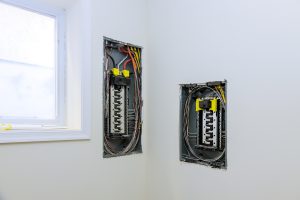
In many cases, especially for whole-home protection, plug-in surge protectors are only one piece of the puzzle. A whole-house surge protector, installed at your electrical panel, provides a higher level of defense by stopping surges before they reach individual outlets or plug-in devices.
Electrical professionals often recommend whole-home surge protection for areas prone to frequent voltage fluctuations or during seasons with severe weather. This type of system can protect all the major electrical appliances in your home from sudden surges, not just what’s plugged into a single outlet.
If you’re interested in layered electrical protection tailored to your home, a trained electrician from Parker Electric in Naperville, IL, can inspect your system and recommend the right approach.
Safety Considerations and Best Practices
Avoid Misusing Power Strips
While power strips are convenient, they can be dangerous if misused. Plugging in too many high-power devices, such as space heaters, refrigerators, or microwaves, can overload a power strip, causing it to overheat or fail. In these cases, a wall outlet or dedicated circuit should be installed by a professional.
Upgrade Outlets if Needed
If your current outlet configuration isn’t sufficient, an electrician can install additional outlets or dedicated circuits. This ensures that high-draw appliances and surge-protected devices are supported properly, a task best left to licensed professionals. A home electrical inspection is often the first step.
Learn what to watch out for in electrical inspections here: What Will Fail an Electrical Inspection: Common Issues
Professional Electrical Services for Protection and Peace of Mind
Choosing the right surge protection or wiring solution is more than just buying the right equipment; it’s about ensuring your home’s electrical system is safe, efficient, and up to current standards. Licensed electricians can:
- Evaluate your current electrical setup
- Recommend appropriate surge protection (including whole-home surge protectors)
- Install new outlets or dedicated circuits where needed
- Upgrade outdated wiring or breaker panels
Surge Protector vs Power Strip: Which to Choose
In the surge protector vs power strip debate, the choice comes down to purpose and protection. A power strip expands outlets, while a surge protector guards sensitive electronics from unexpected voltage spikes. Understanding these differences and using each appropriately can protect your devices and improve your home’s electrical safety.
If you’re planning upgrades, need outlet additions, or want a professional assessment of your electrical system, consider reaching out to a licensed pro; electrical issues are not something to take lightly. Services like those offered by Parker Electric in Naperville, IL, can help ensure your home stays safe, compliant, and properly powered.
Contact Parker Electric for help deciding between a surge protector or a power strip today!
Articles Related to Home Electrical

5 Things That Add to the Total Electrical Cost for Kitchen Remodels
March 25, 2026 No Comments Read More »
How to Plan a Kitchen Remodel with Full Lighting and Electrical Updates
March 25, 2026 No Comments Read More »