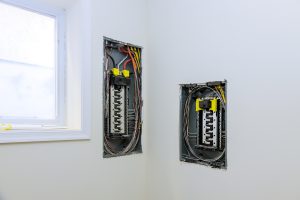
If you’re experiencing frequent breaker trips, flickering lights, or warm outlets, you need to learn how to fix an overloaded circuit before it escalates into a serious safety hazard. An overloaded electrical circuit is one of the most common electrical issues homeowners face, and it’s also one of the leading causes of house fires. The good news is that understanding warning signs and taking proper action can prevent costly repairs, property damage, and serious risks to your family’s safety.
Understanding Circuit Overload and Fire Risk
An electrical circuit overload occurs when too much current flows through a single circuit, exceeding its designed capacity. Most residential circuits are rated for 15 or 20 amps, meaning a 15-amp circuit can safely handle approximately 1,800 watts of electrical load. When you plug in high-wattage appliances or too many devices simultaneously, you create a dangerous situation where excessive electrical current generates heat in the wiring. This heat buildup is a serious fire hazard. Outdated wiring, loose connections, and old wiring in older homes amplify these risks. The electrical components within your home’s electrical system can only handle so much power demand before they begin to fail, potentially causing arc faults or short circuits that ignite surrounding materials. Related: Does a Refrigerator Need a Dedicated Circuit? Safety GuideWarning Signs of an Overloaded Circuit
Recognizing the symptoms of overload issues is the first step toward preventing electrical fires. Your home gives you clear signals when circuits are struggling under modern electrical demands.
Frequent Breaker Trips
The most common sign of an overloaded electrical circuit is a tripped breaker. While occasional trips might occur, if your breaker keeps tripping repeatedly when you use certain appliances or in specific areas, you’re likely dealing with a circuit that can’t handle the total load.
Physical Warning Signs
Pay attention to these serious electrical issues:
- Warm outlets or switch plates that feel hot to the touch
- Buzzing sounds coming from outlets, switches, or the electrical panel
- Flickering or dimming lights when appliances turn on
- Burning smell near outlets or the breaker box
- Discolored or scorched outlet covers
Nuisance Tripping of Breakers
If you can’t use your hair dryer and coffee maker simultaneously, or if your entertainment systems cause lights to dim, these are clear signs that your electrical circuits are overloaded and need immediate attention.
How to Fix an Overloaded Circuit
Addressing an overloaded circuit requires a combination of immediate actions and potential electrical upgrades. Here’s your step-by-step guide to resolving this common electrical problem.
How to Fix an Overloaded Circuit Step 1: Redistribute Your Electrical Load
The simplest solution involves spreading your electrical demand across different circuits:
- Unplug high-energy appliances from the affected circuit
- Move space heaters, air conditioners, and kitchen appliances to separate outlets on different circuits
- Avoid using extension cords and power strips for high-powered appliances
- Limit the number of devices running simultaneously on a single circuit
- Use dedicated circuits for major appliances whenever possible
How to Fix an Overloaded Circuit Step 2: Identify Circuit Capacity
Check your electrical panel to understand which breakers control which areas. Label your breaker box if it isn’t already marked. Most home offices, entertainment systems, and kitchen areas require multiple circuits to handle modern demands safely.
How to Fix an Overloaded Circuit Step 3: Upgrade to Additional Circuits
For homes where redistribution isn’t enough, installing additional circuits provides a long-term solution. This is particularly important for:
- Home offices with computers, monitors, and charging equipment
- Kitchens with multiple small appliances
- Areas with holiday lights and seasonal decorations
- Spaces with entertainment systems and gaming equipment.
How to Fix an Overloaded Circuit Step 4: Consider Panel Upgrades
Older homes with older panels may need a complete breaker panel replacement to meet current safety standards and modern electrical demands. A new panel increases your home’s capacity, accommodates high-wattage appliances, and includes modern safety features like arc fault protection and surge protectors.
When to Call a Licensed Electrician
While redistributing your electrical load is something most homeowners can do safely, several situations require professional help from a trusted electrician:
Serious Safety Hazards Require Professional Help
Contact a licensed electrician immediately if you experience:
- Persistent burning smells from outlets or the electrical panel
- Smoke or sparks from any electrical component
- Outlets or switches that are hot to the touch
- Frequent power surges or voltage fluctuations
- Any signs of fire risk or shock hazard
Electrical Upgrades and Installations
Professional electricians should handle:
- Installing dedicated circuits for appliances
- Upgrading your electrical panel
- Adding new circuits to your home’s electrical system
- Replacing outdated wiring in older homes
- Diagnosing the root cause of recurring electrical problems
- Performing regular maintenance on your electrical grid
Preventing Future Overloads
Once you’ve addressed the underlying problem, take steps to prevent future electrical overloads:
- Avoid daisy-chaining power strips or using multiple extension cords
- Never plug space heaters or air conditioners into power strips
- Distribute high-wattage appliances across your entire circuit system
- Schedule regular inspections to catch potential electrical hazards early
- Upgrade to energy-efficient appliances that draw less electrical current
Understanding your home’s needs and the limitations of each circuit helps prevent the most common causes of electrical malfunctions. Newer homes typically have better capacity for modern demands, but even they can experience overload issues if circuits aren’t used properly.
Protect Your Home with Professional Electrical Solutions
Don’t let an overloaded circuit compromise your family’s safety. Parker Electric provides comprehensive electrical inspections, circuit installations, and panel upgrades to keep your home safe from electrical fires.
Our experienced electricians serve Naperville and the surrounding areas with one-year workmanship warranties and peace of mind. Contact us today for a free electrical safety consultation and protect your home from serious electrical issues before they become fire hazards.
Overloaded Circuit FAQs
What causes an overloaded circuit?Too many devices drawing power from a single circuit, high-powered appliances exceeding circuit capacity, or outdated wiring unable to handle modern electrical demands all contribute to circuit overload.
Can I fix an overloaded circuit myself?You can redistribute devices to different circuits, but installing additional circuits or upgrading panels requires a licensed electrician for electrical safety and code compliance.
How do I know if my electrical panel needs upgrading?Frequent breaker trips, inability to add new appliances without issues, older panels over 25 years old, or homes with fuses instead of breakers typically need upgrades.
Contact Parker Electric today to learn more about how to fix an overloaded circuit!
Articles Related to Home Electrical

5 Things That Add to the Total Electrical Cost for Kitchen Remodels
March 25, 2026 No Comments Read More »
How to Plan a Kitchen Remodel with Full Lighting and Electrical Updates
March 25, 2026 No Comments Read More »