
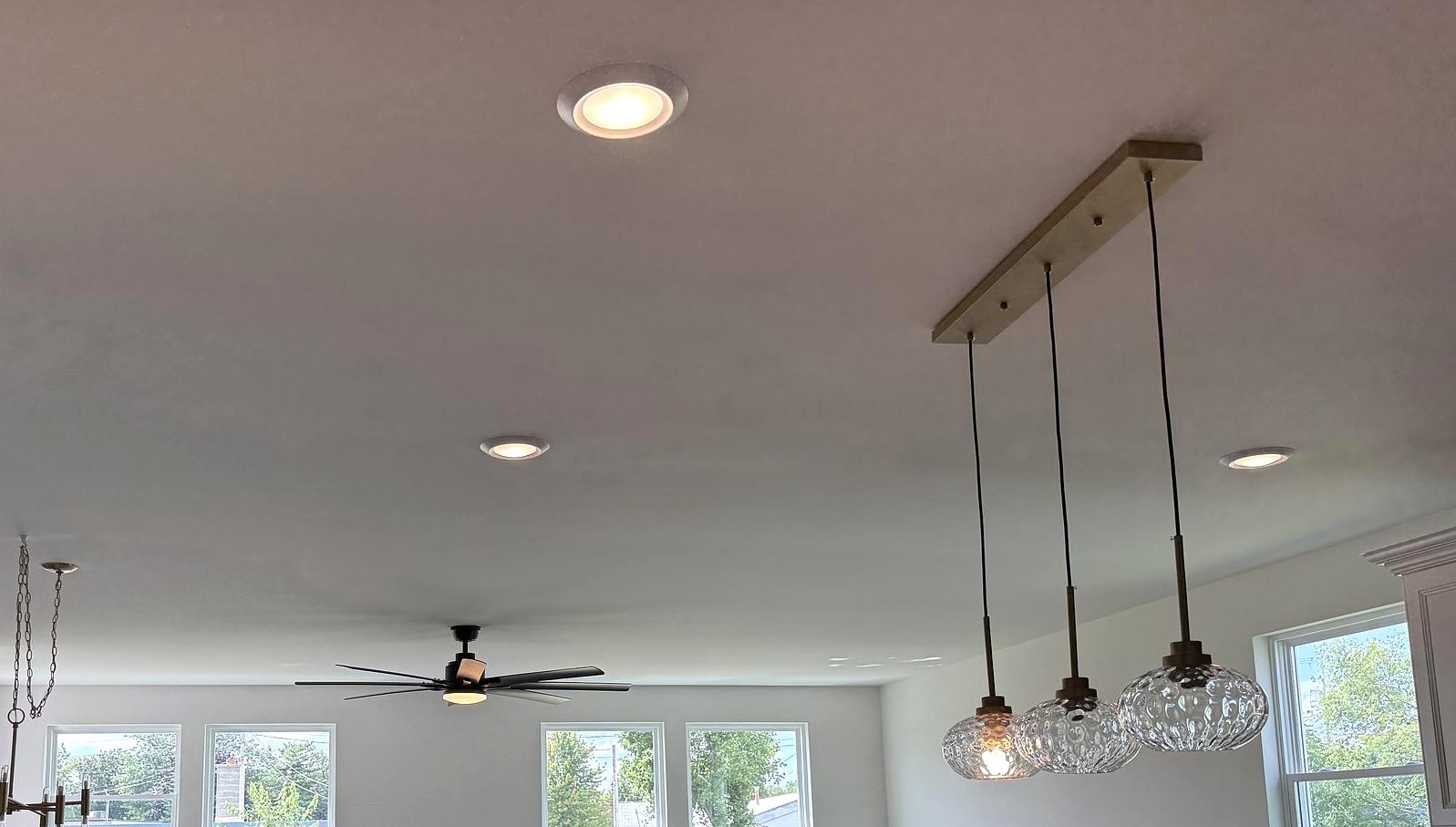
When homeowners experience an electrical problem, they often wonder, “Does homeowners insurance cover electrical issues?” Understanding what is covered by insurance is essential for protecting your investment and avoiding unexpected repair costs. Electrical problems can range from minor outlet issues to major panel failures, and knowing which situations your insurance policy covers can save you thousands of dollars in repair expenses.
The answer isn’t always straightforward, as coverage depends on various factors including the cause of the electrical problem, your policy type, and whether the issue resulted from sudden damage or gradual deterioration. Most homeowners discover the complexities of electrical coverage only after experiencing problems, making it crucial to understand your policy before issues arise.
Understanding Basic Electrical Coverage
Standard homeowners insurance policies typically cover electrical damage caused by sudden, unexpected events. This includes damage from lightning strikes, power surges during storms, or electrical fires that weren’t caused by faulty wiring or neglect. However, knowing if homeowners insurance will cover electrical problems depends heavily on the specific circumstances surrounding the damage.
Most policies distinguish between sudden damage and maintenance-related issues. For example, if a power surge during a thunderstorm damages your electrical panel , this would likely be covered. However, if your panel fails due to age or lack of maintenance, insurance typically won’t cover the electrical panel replacement costs.
Commonly Covered Electrical Issues:
- Lightning strike damage to electrical systems
- Power surge damage from external sources
- Electrical fires not caused by faulty installation
- Storm-related electrical damage
- Vandalism affecting electrical components
Generally Not Covered:
- Routine maintenance and repairs
- Gradual deterioration of electrical systems
- Code upgrade requirements
- Preventive electrical work
- Pre-existing electrical problems
What About Electrical Upgrades and Improvements?
Many homeowners wonder whether homeowners insurance covers electrical upgrades, particularly when older systems need modernization. Unfortunately, insurance policies rarely cover improvements or upgrades designed to bring electrical systems up to current codes or enhance home functionality.
Homeowners insurance covering electrical panel replacement becomes relevant primarily when replacement results from covered damage. If lightning damages your electrical panel, insurance may pay for replacement with a similar system. However, if you want to upgrade from a 100-amp to 200-amp service for convenience, this typically falls outside insurance coverage.
Home electrical insurance considerations become particularly important during home sales or inspections. When buyers request electrical upgrades or repairs as sale conditions, these costs usually fall to the homeowner rather than insurance coverage.
Faulty Wiring and Pre-Existing Conditions
Does homeowners insurance cover faulty wiring? This issue represents one of the most complex coverage areas. Insurance companies generally don’t cover damage resulting from faulty installation, poor maintenance, or code violations. However, if faulty wiring causes a sudden fire or other covered peril, the resulting damage might be covered while the wiring repair itself isn’t.
Home insurance covering electrical wiring depends on when the wiring problems developed and what caused them. Gradual deterioration due to age typically isn’t covered, but sudden damage to existing wiring from covered events usually is.
Insurance companies often require electrical inspections for older homes or homes with known electrical issues. These inspections help insurers assess risk and may result in coverage exclusions or requirements for electrical updates before coverage begins.
Filing Claims for Electrical Issues
Successfully claiming electrical damage requires understanding your policy’s specific language and documentation requirements. Insurance coverage often depends on how well you can demonstrate that damage resulted from a covered peril rather than maintenance neglect.
Successful Claim Documentation:
- Photographs of damage before any repairs begin
- Professional electrician assessments identifying damage causes
- Weather reports or utility company records showing power surges
- Receipts showing regular maintenance and proper care
- Timeline documentation showing when problems first appeared
Steps for Filing Electrical Claims: Start by reviewing your policy language carefully, paying attention to electrical coverage exclusions and limitations. Contact your insurance company immediately after discovering damage, as many policies require prompt notification. Avoid making temporary repairs beyond what’s necessary for safety, as insurance adjusters need to assess original damage conditions.
Does Homeowners Insurance Cover Electrical Issues? Policy Variations and Considerations
Homeowners insurance covering electrical problems varies significantly between insurance companies and policy types. Basic policies often provide minimal electrical coverage, while comprehensive policies may offer broader protection. Some insurers offer additional electrical coverage endorsements that expand protection beyond standard policy limits.
Premium policies sometimes include coverage for code upgrades required after electrical damage. This means if lightning damages your electrical system and local codes require upgrades during repair, enhanced coverage might pay for necessary improvements beyond simple replacement.
Home insurance coverage for electrical problems also depends on your home’s age and electrical system condition. Insurers increasingly require electrical inspections for homes over 40 years old or homes with older wiring systems like knob-and-tube or aluminum wiring.
Prevention and Risk Management
While understanding whether homeowners’ insurance covers electrical panel replacement might provide some financial protection in certain situations, prevention remains your best strategy. Regular electrical maintenance, professional inspections, and prompt repairs help avoid many problems that insurance won’t cover.
Consider upgrading older electrical systems proactively rather than waiting for problems. While insurance won’t pay for preventive upgrades, investing in modern electrical systems can prevent costly damage and improve your home’s insurability.
Installing whole-house surge protection can prevent many electrical problems that might not be covered under standard policies. These devices protect against power surges that could damage electrical panels, appliances, and home electronics.
Making Informed Electrical Decisions
Understanding whether home insurance covers electrical faults helps you make better decisions about electrical maintenance and improvements. When electrical problems arise, consult with both licensed electricians and insurance representatives to understand your coverage options and responsibilities.
Document your home’s electrical system condition through regular professional inspections. This documentation can be valuable when filing claims or when insurance companies question whether damage resulted from covered events or poor maintenance.
Parker Electric provides comprehensive electrical inspections, insurance claim support, and professional repair services. Our 5-star rated electricians understand insurance requirements and can help document electrical issues properly. Contact us today for your free estimate and professional electrical evaluation.
Contact Parker Electric today to schedule your free consultation!