
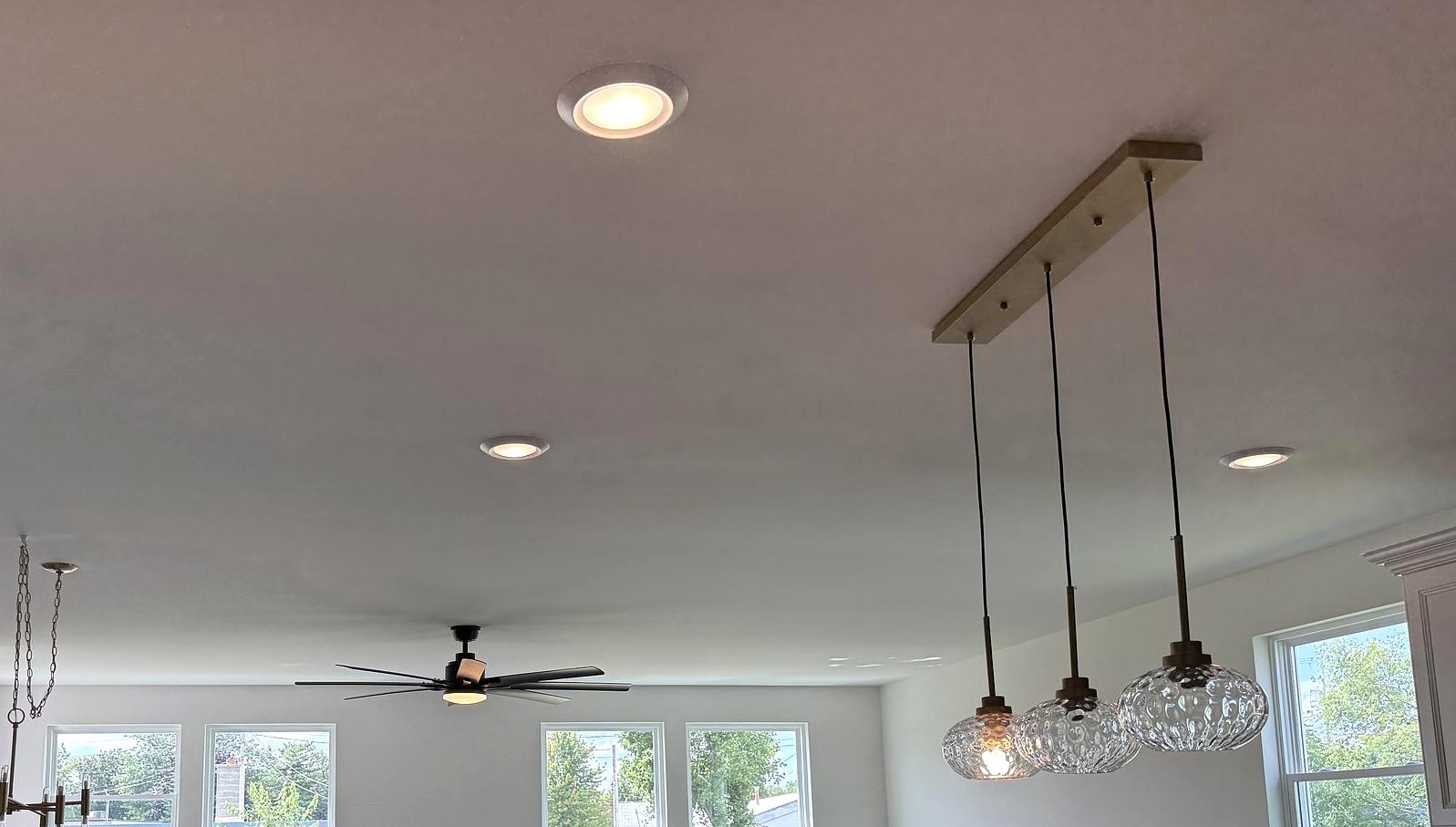
If you’ve been researching lighting options for your home, you’ve probably come across both terms: can lights vs recessed lights. You might be wondering if there’s a difference between the two, or if one is better than the other. Here’s the simple answer: can lights vs recessed light fixtures isn’t really a debate at all; they’re the same thing. Both terms refer to light fixtures that are installed in the ceiling, creating a sleek, streamlined look that’s become incredibly popular in modern homes.
Understanding the terminology and your options can help you make informed decisions about your home’s lighting design. Let’s clear up the confusion and explore everything you need to know about these versatile fixtures.
Can Lights vs Recessed Lights: Why Are They Called Different Names?
The reason these fixtures have multiple names comes down to their design and how people in different regions refer to them. “Recessed lights” describes how they’re installed: recessed into the ceiling rather than hanging down or mounted on the surface. “Can lights” refers to the cylindrical metal housing (which looks like a can) that holds the light fixture and sits inside your ceiling.
You might also hear them called:
- Pot lights
- Downlights
- High hats
- Recessed fixtures
All of these terms describe the same type of lighting. The variation in names is simply regional preference or industry jargon. What matters most isn’t what you call them, but rather understanding the different types available and which one suits your needs.
Types of Recessed Lighting Fixtures
When choosing recessed lighting for your home, you’ll encounter several installation types. Each has its own advantages depending on your ceiling structure and project requirements.
New Construction (IC-Rated) Fixtures
These are designed for installation during new builds or major renovations when you have full access to the ceiling joists. IC-rated means they’re approved for direct contact with insulation, making them safe and energy-efficient. They’re ideal when you’re building from scratch or doing extensive remodeling.
Remodel Housings
Remodel housings are specifically designed for existing ceilings where you don’t want to tear everything apart. They feature clips that grab onto the drywall, making installation much easier in finished spaces. These are perfect for homeowners who want to upgrade their lighting without a major construction project.
Shallow Housings
If you have limited ceiling depth, common in older homes or spaces with ductwork and wiring, shallow housings are your solution. These compact fixtures require less clearance above the ceiling while still providing quality illumination.
Choosing the Right Size and Style
Recessed lights come in various sizes, with 4-inch, 5-inch, and 6-inch being the most common for residential applications. The size you choose depends on several factors:
- Ceiling height: Higher ceilings typically benefit from larger fixtures that can project light farther
- Room size: Larger rooms may need bigger fixtures or more of them to achieve proper illumination
- Purpose: Task lighting in kitchens often uses smaller, more focused fixtures, while ambient lighting in living rooms might use larger ones
- Beam angle: Narrow beams highlight specific areas, while wide beams provide general illumination
LED vs. Traditional Bulbs
Modern recessed lighting has evolved significantly with LED technology. While older can lights used incandescent or halogen bulbs, today’s LED options offer substantial benefits:
LED recessed lights use up to 85% less energy than traditional bulbs and last 25 times longer. They produce less heat, reducing fire risk and cooling costs. The upfront cost is higher, but the long-term savings on electricity and replacement bulbs make LEDs the smart choice for most homeowners.
You can also find LED fixtures with adjustable color temperatures, letting you switch from warm, cozy lighting to bright, cool task lighting depending on your needs and time of day.
Common Installation Considerations
Installing recessed lighting involves more than just cutting holes in your ceiling. Proper installation requires knowledge of:
- Electrical codes and permit requirements
- Proper spacing for even light distribution (typically 4-6 feet apart)
- Avoiding insulation contact with non-IC-rated fixtures
- Ensuring adequate clearance from joists and ductwork
- Maintaining proper airtightness to prevent energy loss
Poorly installed recessed lighting can create dark spots, shadows, or even safety hazards. The spacing, placement, and fixture type all need to work together to achieve the lighting effect you want.
Make the Right Lighting Choice for Your Home
Now that you understand that can lights and recessed lights are simply different names for the same fixture, you can focus on what really matters: choosing the right type, size, and placement for your space. Whether you’re renovating your kitchen, updating your living room, or building a new home, recessed lighting offers a clean, modern look with versatile functionality.
Ready to upgrade your home with professional recessed lighting installation?
Parker Electric serves homeowners throughout the Naperville area with expert lighting solutions. Our experienced electricians can help you design the perfect lighting layout and handle all the installation details. Call us today to schedule your free estimate today. We offer a 1-year workmanship warranty and can typically provide estimates within 24 hours.
Contact Parker Electric today to schedule your free consultation for recessed lighting installations!